GT Pressura

Family overview
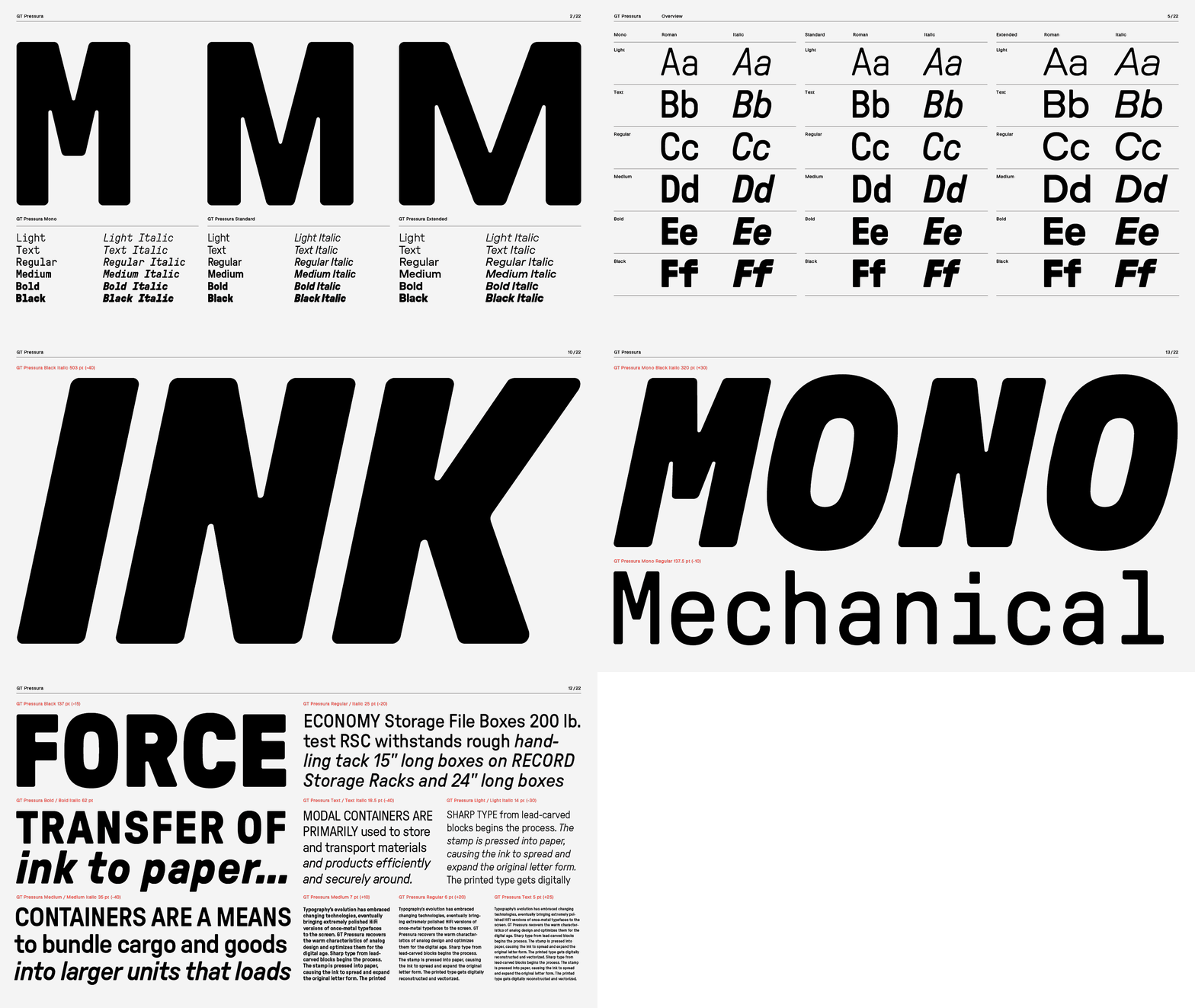
- Standard
- Light Italic
- Text Italic
- Regular Italic
- Medium Italic
- Bold Italic
- Black Italic
- Mono
- Light Italic
- Text Italic
- Regular Italic
- Medium Italic
- Bold Italic
- Black Italic
- Extended
- Light Italic
- Text Italic
- Regular Italic
- Medium Italic
- Bold Italic
- Black Italic
Subfamilies
- Standard LightΤα πλοία που μεταφέρουν έτοιμα συσκευασμένα φορτία σε τέτοιες κατασκευές ονομάζονται επίσημα εμπορευματοκιβωτιοφόρα συνηθίζεται όμως αντ' αυτού ο αγγλικός όρος κοντέινερ σιπ ως περισσότερο εύχρηστος.
- Standard Light ItalicSimilarly a load is limited to the space available in the trailer, normally 48 ft (14.63 m) or 53 ft (16.15 m) long, 2.6 m (102.4 in) wide, 2.7 m (8 ft 10.3 in) high and 13 ft 6 in or 4.11 m high over all.
- Standard TextКонтейнер, жүк сандық-кебеже көлік үстінде бекітілген құрылғысы бар, оңай шешілетін, жеңіл алынып салынатын, әдетте пломбаланып жабылатын жүк салынытын кебеже.
- Standard Text ItalicEarly versions of standardized containers were used in Europe
- Standard RegularЗаведующий детским садом Трошкин оказался совершенной копией опасного преступника Доцента. И чтобы поймать рецидивиста милиция внедряет
- Standard Regular ItalicChipping around - kick my brains around the floor
- Standard MediumΟι εγκαταστάσεις αυτές ονομάζονται διεθνώς Κοντέινερς τέρμιναλς.
- Standard Medium ItalicΟι εγκαταστάσεις αυτές ονομάζονται διεθνώς Κοντέινερς τέρμιναλς.
- Standard BoldYRC Worldwide, Overland Park, Kansas, USA, Founded 1929 by G.C. “Cleve” Harrell, A.J. Harrell
- Standard Bold ItalicThese are the days it never rains but it pours
- Standard BlackThe common heights are 8 feet 6 inches (2.6 m) and 9 feet 6 inches (2.9 m) – the latter are known as High Cube or Hi-Cube containers. Just like cardboard boxes and pallets, these
- Standard Black ItalicLTL shipments range from 50 to 7,000 kg (110 to 15,430 lb), being less than 2.5 to 8.5 m (8 ft 2.4 in to 27 ft 10.6 in) the majority of times.
- Settings
Typeface information
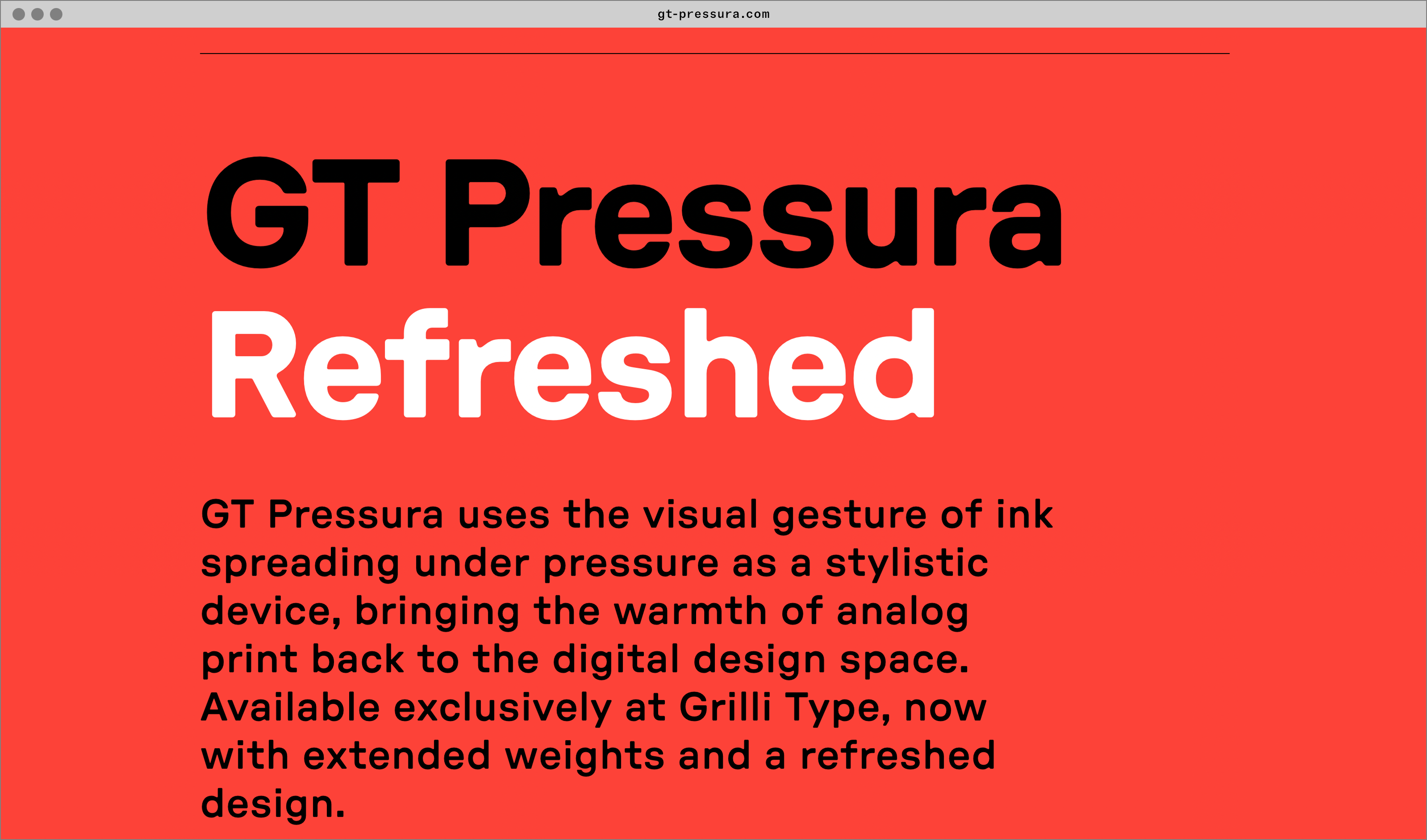
GT Pressura is inspired by metal type printing history as well as engineered letters stamped onto shipping boxes. It uses the visual gesture of ink spreading under pressure as a stylistic device, offering an alternative to more spindly typefaces of the digital age.
- Designed by Dominik Huber and Marc Kappeler (Moiré). Script extensions by Dominik Huber with Grilli Type. Consulting by Panos Haratzopoulos (Greek) and Donny Trương (Vietnamese).
- Released in 2012/2017/2022
- Available in 36 styles
- GT Pressura is available for customization and language extensions
- Download the free trial fonts
Typeface features
OpenType features enable smart typography. You can use these features in most Desktop applications, on the web, and in your mobile apps. Each typeface contains different features. Below are the most important features included in GT Pressura’s fonts:
- TNUM
- Tabular Figures
13.07.2048
- SS01
- Alternate a
React
- CASE
- Case sensitive forms
¿TE GUSTA?
Typeface Minisite
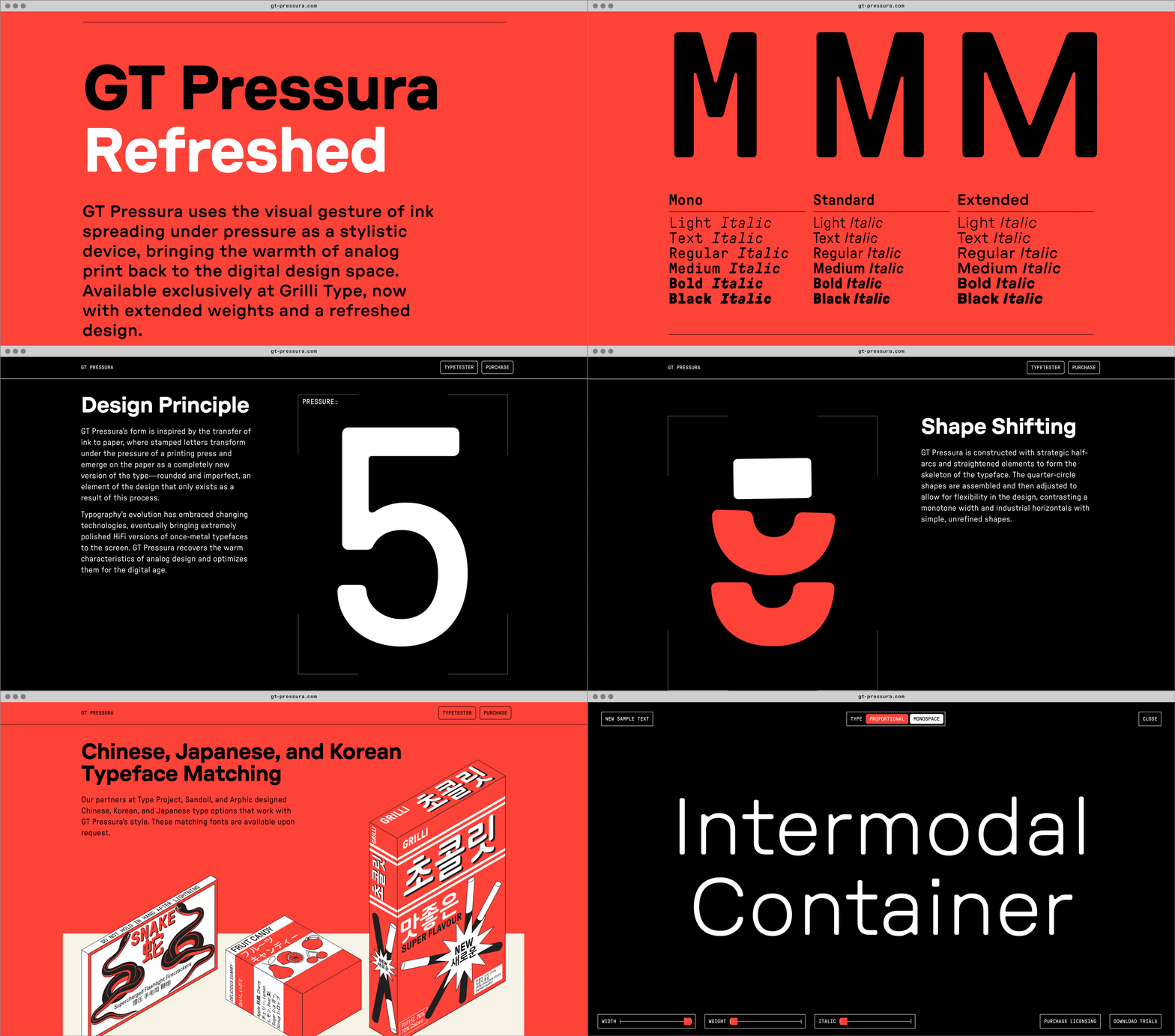
- Visit the GT Pressura minisite to discover more about the typeface family’s history and design concept.
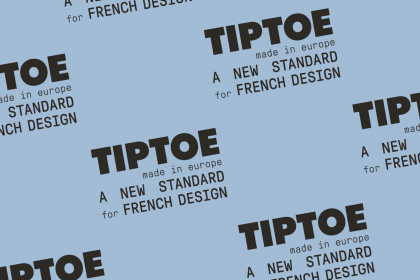
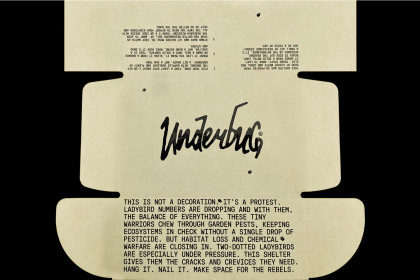
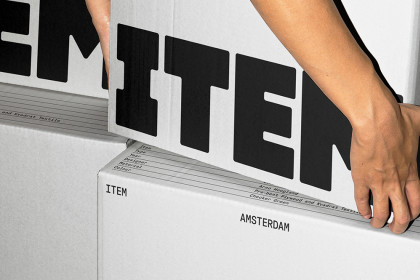
GT Pressura in use